This article may contain affiliate links. If you buy through them, Joyful Family Days may earn a small commission at no extra cost to you. Learn more.
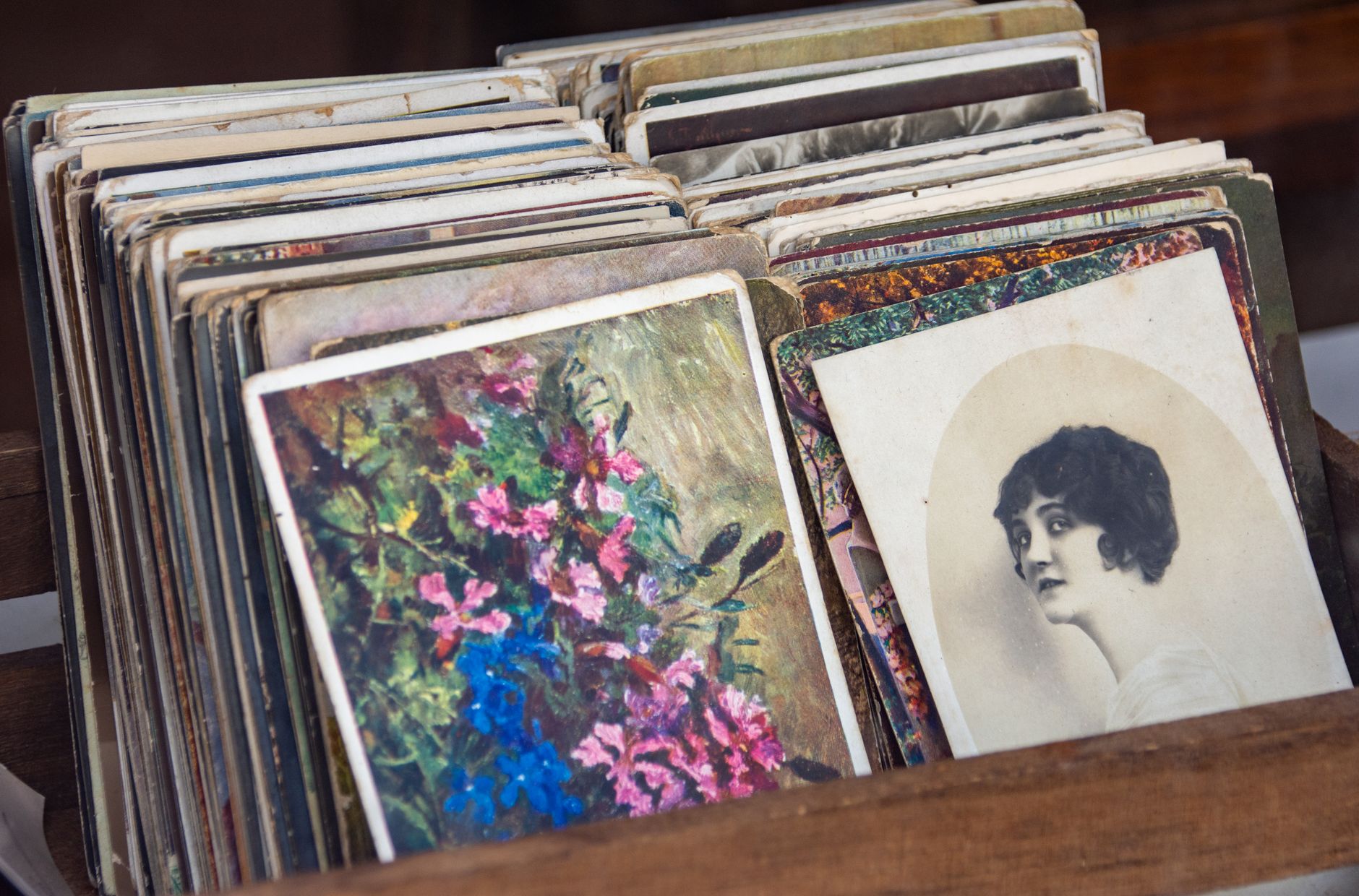
The box had been sitting on the closet shelf for so long that we had stopped seeing it. It was one of those plastic bins with a lid that never quite snapped shut, stuffed with printed photos from the years before we started keeping everything on our phones. We finally pulled it down on a Sunday afternoon because we needed the shelf space, not because we were feeling sentimental. That part came later.
We spread the photos across the living room floor, and within a few minutes the actual task of sorting them had stopped mattering. We were not organizing anything. We were just looking, picking up one photo after another, passing them back and forth, saying things like “do you remember this” and “I forgot this happened.”
The pictures that stopped us
Some photos barely got a glance. Others made us sit still for a full minute. It was never the posed ones, the birthday cakes or the holiday outfits everyone remembers on purpose. It was the accidental ones. A blurry shot of someone standing in a doorway in pajamas that do not exist anymore. A picture taken mid-sentence, mouth open, nothing special happening, except that it captured exactly how small a hand used to be wrapped around a cup.
We found a photo of one of our kids asleep in a stroller with a stuffed animal we had completely forgotten existed. Neither of us could remember what happened to that stuffed animal. It was just gone one day, the way so many things from those years are gone, without a goodbye or a moment of noticing.
We were not prepared for how much a photograph of an ordinary Tuesday could do to us.
There is a particular kind of surprise that comes from seeing your own child’s face at an age you have already lived through and mostly stopped picturing. You know, in an abstract way, that they used to look different. But the photo makes it specific. That exact face, that exact size, is gone, replaced gradually by the person sitting two rooms away right now.
What we kept saying
We kept saying the same two things to each other, over and over, in different words. The first was some version of “I can’t believe how little they were.” The second was quieter: “Where did that time go.” Neither of us had a good answer. We lived through every one of those days. We were there for all of it. And still, looking at the photos, it felt like something that had happened to other people, in another house, in a life we had somehow missed most of while it was happening.
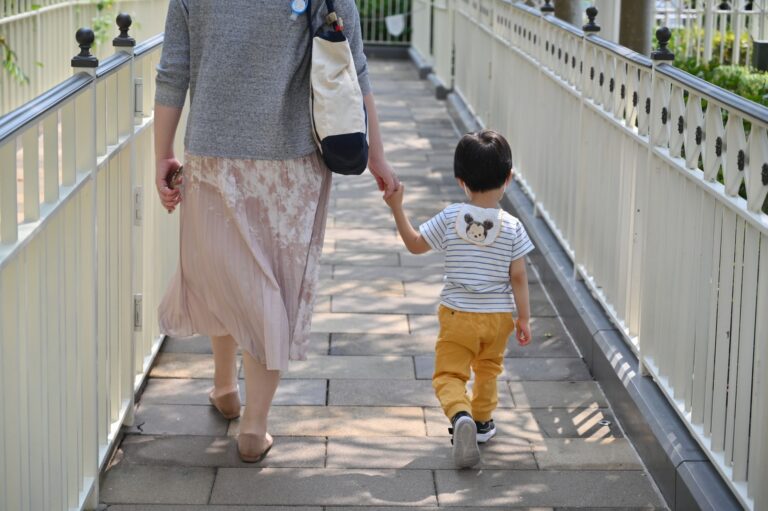
That is the strange trick of raising kids. You are present for nearly every day, and yet the years still manage to disappear. The days felt long back then, full of naps and meals and the slow work of getting anyone dressed and out the door. But stacked together into years, they went fast. Faster than seemed fair.
The things nobody photographed
What struck us more than the pictures themselves was what was missing from them. Nobody photographed the middle-of-the-night feedings, or the hundredth reading of the same book, or the long stretch of afternoons that all blurred into one another. Nobody took a picture of the exact sound of a toddler learning to say a new word, or the weight of a sleeping child against a shoulder at the end of a long day.
Those moments live somewhere else now, if they live anywhere at all. Not in a box, not on a phone. Just somewhere in us, fading a little more each year, the way memories do when there is nothing physical to anchor them.
- The photos we have are only a small slice of everything that actually happened
- Most of what we remember is patched together from feeling more than fact
- The ordinary days left the deepest marks, even without a single picture to prove it
Sitting with it instead of rushing past it
Our first instinct, once the emotional wave passed, was to get back to sorting. Put the duplicates in one pile, the good ones in an album, the blurry ones in the trash. But we stopped ourselves. We decided to just sit with it for a while longer instead, without trying to turn the afternoon into a project with a finished result.
We talked about which years felt hardest at the time and which ones we would trade anything to have back, and how those were sometimes the same years. We talked about how we barely slept for what felt like forever, and how impossible it seemed back then that we would ever get through it, and how now those years look almost soft around the edges from a distance.
We did not finish organizing the box. We put most of the photos back in, a little out of order, and slid the lid back on as best it would go. We will probably pull it down again someday, maybe not for a long time. But we are glad we opened it when we did, on an ordinary Sunday, for no real reason except that a shelf needed clearing.
What we are trying to remember now
Since that afternoon, we have both been a little more aware of the ordinary moments happening around us right now, the ones that will look impossibly small and precious in another ten years. We cannot slow the time down, and we are not trying to. But we are trying to notice it a little more while it is still happening, instead of only recognizing it later in a photograph.
We do not have a system for this. We are not suddenly taking more pictures or keeping a journal. Mostly we just try to pause, every so often, in the middle of something completely unremarkable, and actually look at each other and at our kids and register that this is what the good years look like while they are happening. Not the highlight reel. The regular Tuesday. The photo nobody thought to take.