This article may contain affiliate links. If you buy through them, Joyful Family Days may earn a small commission at no extra cost to you. Learn more.
The power went out on a Wednesday afternoon during a week that had already been rough. Nothing dramatic had caused the outage, just a storm that knocked something out a few streets over, but the timing felt personal in the way that small disasters do when you are already running on empty. My first reaction was closer to despair than inconvenience, which tells you more about the week than about the actual power outage.
Why this particular thing felt like too much
We had already had a hard few days. Someone was getting over being sick, homework had been a fight two nights in a row, and I had been counting on the evening to catch up on things I had been putting off, using screens to buy myself the time to do it. The power outage took that plan away completely. No screens, no easy dinner reheated in the microwave, and it would be dark in a couple of hours with no lights.
I remember sitting on the stairs for a minute after confirming it was not just our breaker, feeling like the day had officially defeated me. That feeling was not really about the power. It was about being tired already and then losing the one plan I had for getting through the evening without much effort.
What almost happened instead
My first instinct was to treat the outage as an emergency to manage rather than just an evening to get through differently than planned. I started making a mental list of everything that would now be harder, the homework that needed a printer, the dinner that needed the stove, the bedtime routine that usually involves a nightlight. Treating it like a growing list of problems made the whole evening feel heavier before it had even really started.
Not every disruption is actually a crisis, even when it feels like one on top of an already hard week.
What changed the evening
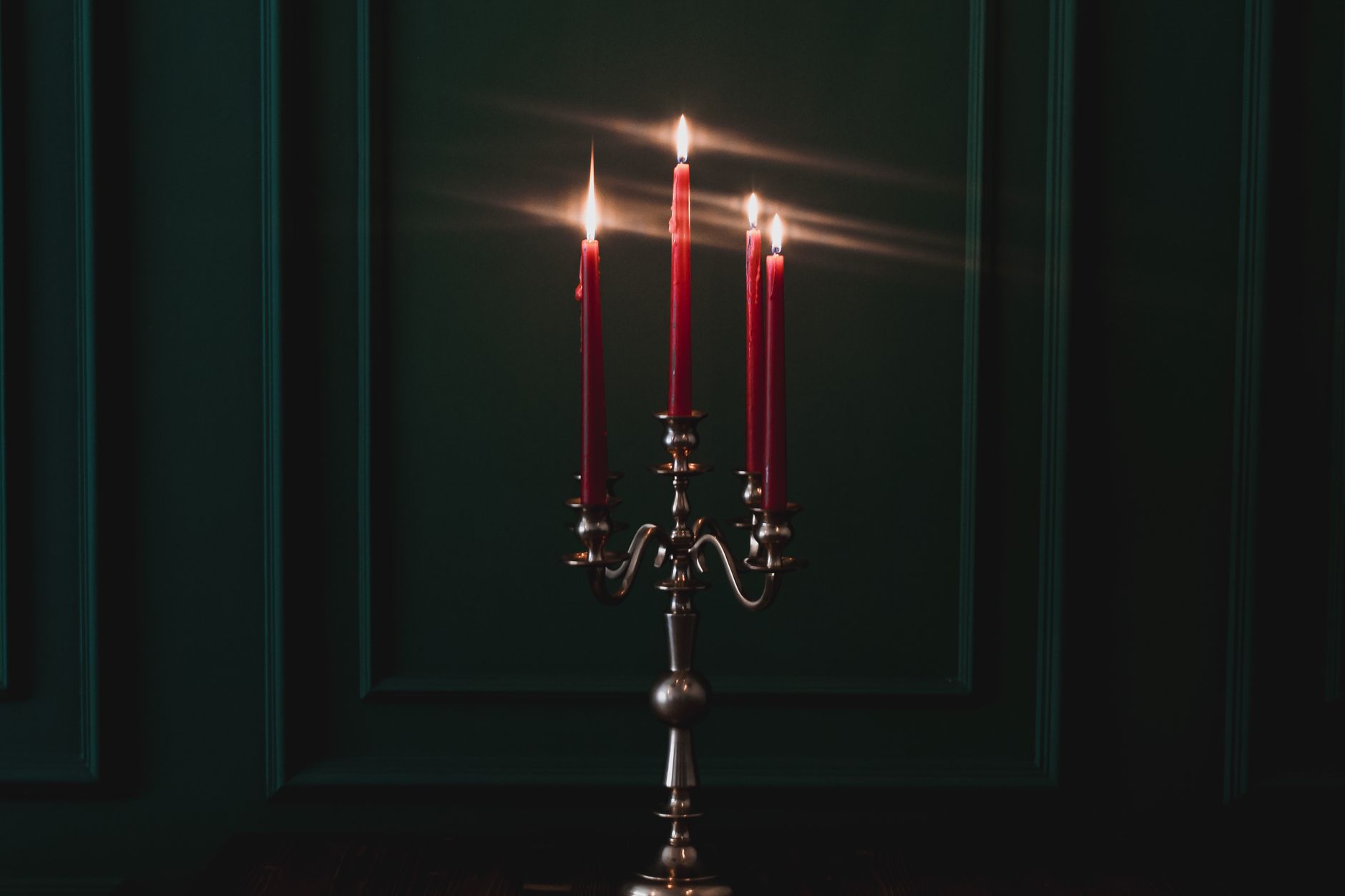
My husband got home not long after and, without much discussion, just started lighting the candles we keep for exactly this kind of thing and never use otherwise. He put them on the kitchen table, made sandwiches since the stove was out, and did not treat any of it as a big deal. That tone mattered more than I expected. If one of us had kept treating it as a disaster, I think the kids would have picked up on that and treated it the same way.
Instead, dinner by candlelight became its own small event. The kids thought sandwiches for dinner on a Wednesday was a treat rather than a downgrade. Homework got postponed to the next morning before school, which was not ideal, but was also not the end of the world, despite how it had felt on the stairs earlier.
How the rest of the night went
Without screens, without the usual after-dinner routine, we ended up sitting together longer than we normally would, just talking, with the candles making the kitchen feel different than it usually does. My older kid told a long, meandering story about something that happened at school that I probably would have only half listened to on a normal night with the television on in the background. That night I heard the whole thing, mostly because there was nothing else competing for attention in the room.
The power came back around eight, and there was a small, funny disappointment when the lights clicked back on, as if something had been interrupted rather than restored. We left a couple of the candles burning anyway for a while after that, which was not necessary, but nobody wanted to rush back to normal quite yet.
What this taught us about hard weeks
The outage did not fix the hard week. Homework was still late the next morning, and the person who had been sick was still tired. But the evening itself, the part that had felt like the last straw sitting on the stairs, turned into one of the more connected nights we had had in a while. That contrast has stuck with me since.
I do not think we need more power outages to have evenings like that, and I am not about to unplug things on purpose to recreate it. But I do think about how quickly the framing changed the outcome. The exact same facts, no power, no plans, a hard week already, could have turned into a miserable night if we had all kept treating it as a crisis. Instead it became a dinner we still bring up months later, candles and sandwiches and a story that got told all the way through for once.
The difference between a real problem and an inconvenience
Sitting on the stairs that afternoon, I could not tell the difference between the two. Everything felt like a real problem because the week had already used up my patience for handling anything else. Looking back, almost none of it was actually urgent. Homework could wait until morning. Sandwiches were a fine dinner. The nightlight not working for one evening was not going to cause any lasting harm. None of that was obvious to me at the time, because I was already running on very little patience before the power even went out.
I think that is worth remembering for the next hard week, because it probably will not be a power outage next time. It might be a flat tire, or a canceled plan, or some other small disruption landing on a day that already had nothing left in it. The disruption itself is rarely the actual crisis. It is usually just the thing that arrives when there is no more slack left to absorb it calmly.
What stuck with us afterward
A few weeks later, during a totally ordinary evening with the power on and nothing wrong, my younger kid asked if we could turn off the lights and eat by candlelight again, just because. We did, even though there was no outage forcing it this time, and it was not quite the same without the actual disruption behind it, but it was still a nice dinner. I think what she wanted back was not the darkness itself, but the slower, more attentive version of us that showed up that night by accident.
That is the part I keep coming back to. We did not plan for a better evening. We stumbled into one because the normal options were taken away and we had to find something else to do with the time. I would not choose to lose power again on purpose, but I have stopped assuming that losing our plans automatically means losing the evening.