This article may contain affiliate links. If you buy through them, Joyful Family Days may earn a small commission at no extra cost to you. Learn more.
We started a family movie night with the best intentions, the kind where you picture everyone piled on the couch actually watching the same thing at the same time. For a few weeks it worked exactly like that. Then, slowly, it stopped. I noticed it first when I looked over during what was supposed to be the big scene and realized my oldest was scrolling on a tablet with the movie just playing in the background like wallpaper.
Nobody had decided to stop paying attention. It just happened, the way these things do, one distracted glance at a time until the whole point of the night had quietly disappeared.
Where it started going sideways
Looking back, the slide happened in small steps. First it was checking a message during the slow parts. Then it was bringing a second device to the couch just in case there was a slow part. Then the movie became something playing near us rather than something we were watching together, and honestly I do not think any of us noticed the shift while it was happening.
What tipped me off was how little anyone talked about the movie afterward. When movie night was actually working, we used to argue about plot points while brushing teeth or bring up a favorite line at breakfast the next morning. When it stopped working, the movie ended and everyone just went to bed, because nobody had really been there for it.
What we tried that did not fix it
Our first fix was a flat ban on devices during the movie, phones and tablets both, no exceptions. It lasted exactly one week. The problem was not that the rule was wrong, it was that we announced it like a punishment and then enforced it like referees, which made the whole evening feel tense instead of relaxed. Nobody wants to spend their together time being policed, including the parents doing the policing.
We also tried picking movies everyone would supposedly love equally, thinking a better movie would solve an attention problem. It did not. A great movie playing to a room full of people half looking at their laps is still a room full of people half looking at their laps.
What actually brought it back
The thing that worked was smaller and less dramatic than I expected. We moved devices to a basket by the front door before the movie starts, not as a punishment, just as part of the routine, the same way shoes come off at the door. It is not a rule we discuss anymore. It is just what happens on movie night, and taking the decision out of the moment made it much easier to actually stick to.
We also started letting the kids take turns picking the movie instead of trying to find one everyone would love the same amount. That changed the mood entirely. When it is your pick, you want everyone paying attention to it, so there is a kind of built in accountability that a jointly chosen movie never had.
Taking the phones out of the room stopped feeling like a fight once it stopped being a decision we made every single week.
The compromise we landed on for snacks and breaks
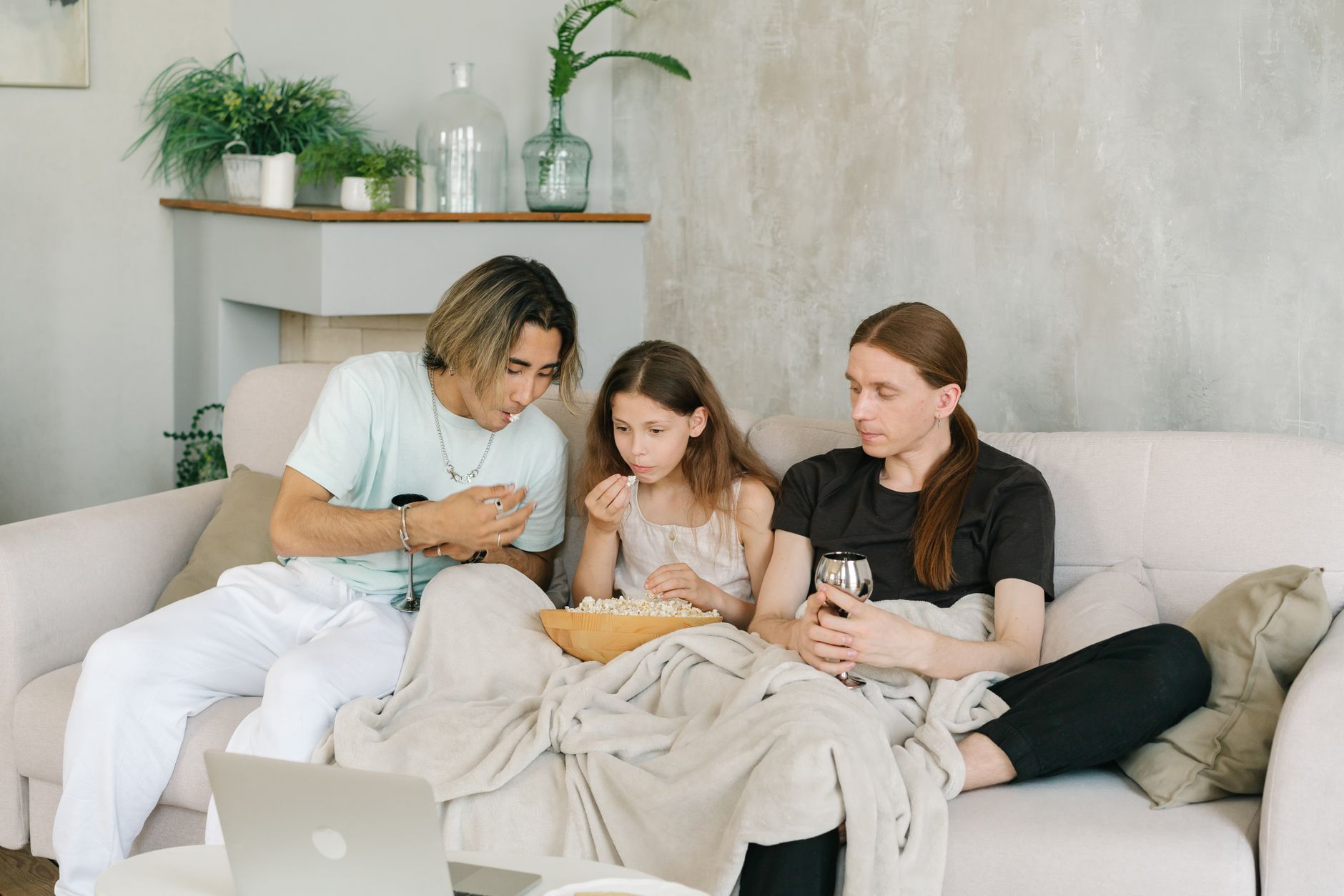
We do pause the movie now, which some families might not allow and that is fine, every house is different. If someone needs the bathroom or wants more popcorn, we pause rather than powering through and losing them for five minutes of plot. It slows the movie down, sure, but it means nobody is half following along from the hallway, which used to be a regular occurrence before we changed it.
The basket by the door only holds through the movie itself, not the whole evening. Once the credits roll, devices come back out, and that is fine with me. I am not trying to ban screens from our house for the night, just to protect the specific hour and a half we set aside to actually be together.
What surprised me most
I expected the kids to resent the basket rule the most, and instead it was me who struggled with it first. I am the one who reaches for a phone out of habit during any quiet stretch, movie or otherwise, and putting mine in the basket alongside theirs made the rule feel less like something imposed on them and more like something we were doing as a family. That distinction mattered more than I thought it would.
I also noticed that the movies themselves started mattering more to the kids again. My youngest now asks questions about the plot the next day, wants to rewatch favorite scenes, brings up characters in conversation that have nothing to do with movie night. That kind of lingering interest had quietly disappeared during the phase when nobody was really watching, and getting it back felt like more of a win than I expected from something as small as a basket by the door.
Where we still fall short
I will not pretend we have this fully solved. On nights when I am exhausted, I sometimes skip the basket altogether and just let the evening happen however it happens, phones and all. Those nights feel noticeably different, quieter in a hollow way rather than a relaxed way, and that difference is honestly what keeps me going back to the routine on the nights I do have the energy for it.
If your movie nights have started to feel like the same thing happened to ours, my suggestion is not a bigger rule. It is a smaller one, something that becomes part of the routine rather than a decision you have to keep making. For us that was a basket by the door. For your family it might be something else entirely, but the shape of the fix is probably similar, quiet and unremarkable rather than dramatic.