This article may contain affiliate links. If you buy through them, Joyful Family Days may earn a small commission at no extra cost to you. Learn more.
There was a stretch of about a year where dinner felt like a small war we fought every single evening. One of our kids decided, seemingly overnight, that anything green was suspicious and anything with a sauce touching another food was ruined. We tried bargaining. We tried the one bite rule. We tried hiding vegetables in things, which worked exactly once before it was discovered and never trusted again.
What finally shifted things was not a clever trick. It was us admitting that we had turned dinner into a contest with a winner and a loser, and nobody was actually winning, including us.
Stepping back from the fight
We had a night where dinner ended in tears, not from the kid, but from one of us, worn down after a long day and a plate that had barely been touched. It was not really about the broccoli. It was about feeling like every meal was a referendum on our effort and our patience. We realized we needed to change the shape of the whole thing, not just the menu.
So we tried a rule that felt almost too relaxed at first: everyone at the table gets one thing on their plate that they know they will eat, every single meal, no exceptions. Even on a night with a new recipe, there is always bread, or rice, or a fruit we know is safe. Nobody goes hungry while we figure the rest out.
Why that one change mattered
Once the pressure of eating everything or eating nothing was gone, the whole table calmed down. Our kid stopped treating dinner as a threat to survive and started treating it more like a table to sit at. We stopped watching every bite like referees. Meals got shorter, in a good way, because nobody was stalling out of protest anymore.
What we stopped saying
We noticed we had built up a whole vocabulary of dinner pressure without meaning to. Phrases like just try it and you liked this last time and your sister eats it were said so often they had stopped meaning anything except stress. We made an effort to cut most of it out.
Instead, we started just putting food on the table without narrating it. No sales pitch, no build up, no watching to see if it landed. Some nights that meant a new dish went completely untouched, and we let it go without comment. Other nights, without any prompting, the same food that got ignored for weeks quietly got eaten. We think a lot of that had to do with taking the spotlight off the plate.
We were not trying to win the vegetable argument anymore. We were trying to make dinner feel like a normal part of the day instead of a test.
Letting them help decide
Around the same time, we started asking our kids what they wanted on the side of new dishes, instead of deciding for them. It gave them a small amount of control that seemed to matter more than we expected. A kid who feels like they have no say over anything on the table is more likely to dig in on the one thing they can control, which is refusing to eat.
The nights it still does not work
We are not going to pretend this fixed everything. There are still nights where dinner is a plate of plain noodles and nothing else, and we have made peace with that being fine for one meal. We remind ourselves that we are looking at a pattern over weeks, not grading a single dinner.
We also stopped making separate meals as a habit, mostly because it was exhausting for us, but we do keep it simple on hard nights. If dinner is something new and complicated, we make sure part of it is familiar enough that nobody is stuck with nothing they will touch. That is different from becoming a short order kitchen every night, and the difference matters to us.
What we tell ourselves when it gets discouraging
On the nights when it feels like nothing has changed, we try to remember how loud dinner used to be, and how much quieter it is now, even when the same food gets left on the plate. Quiet does not mean solved. It means the tension around food has gone down, even if the food itself has not changed much yet.
We also try to remember that we are not raising a professional food critic. We are raising a person who is still working out what they like, what feels safe, and how much control they have over their own body. That takes longer than a few weeks of trying a new rule, and it is not a straight line.
What dinner looks like now
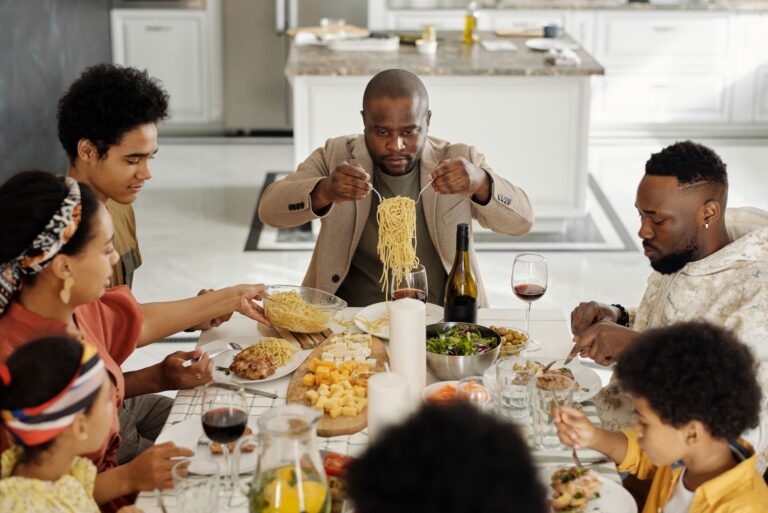
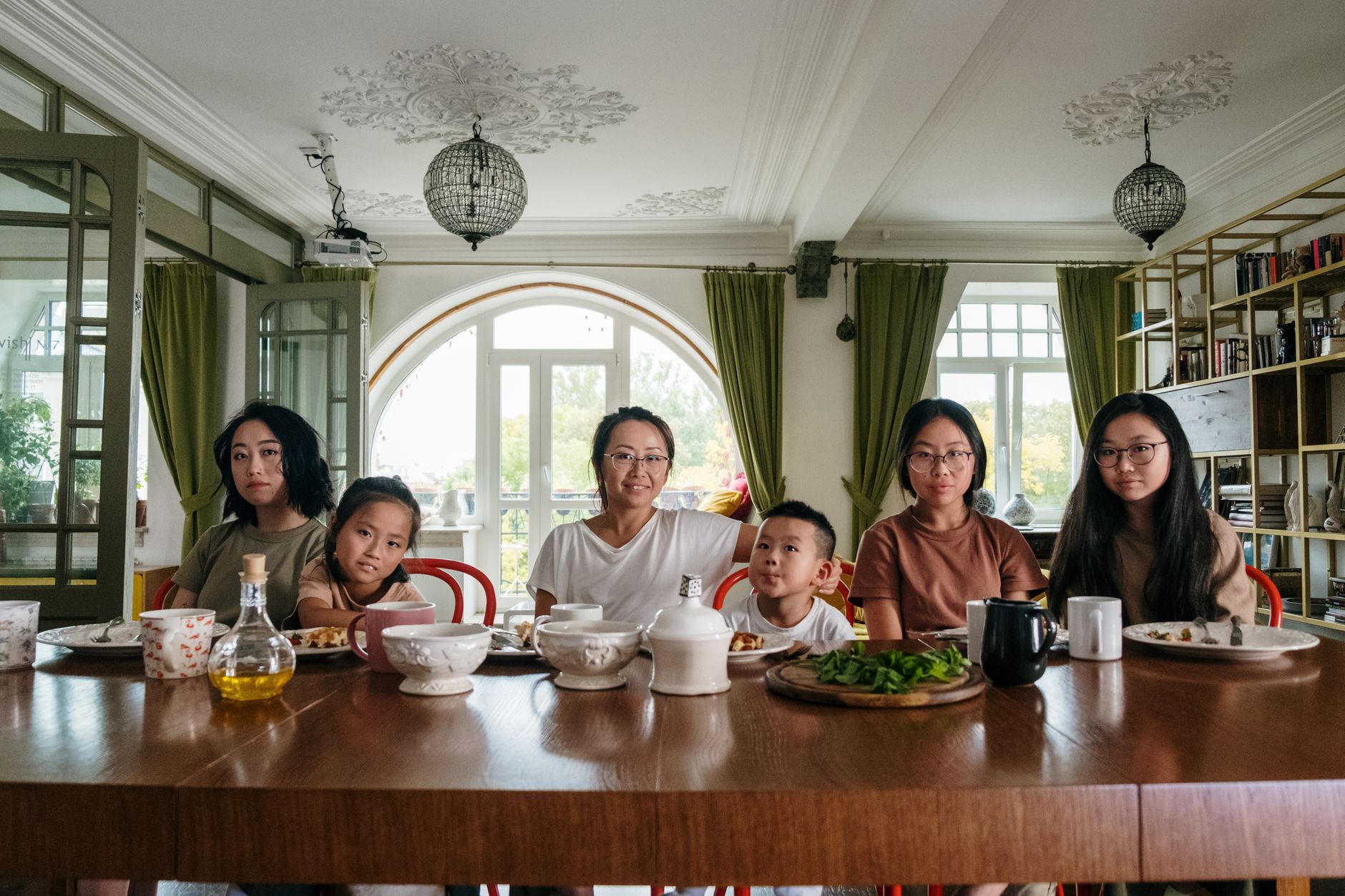
Our table is not a place where every vegetable gets eaten and every new recipe is a hit. It is a place where nobody dreads sitting down, which honestly feels like more of a win than we expected it to. The conversation has shifted from what is on the plate to what happened at school, who is on whose team for the class project, and whether the dog is allowed under the table during dinner, which the dog has decided is not up for debate.
We still have the safe food rule. We still skip the narration. And every so often, we get the quiet, small surprise of watching a kid try something new without being asked, which after that long stretch of dinner table battles, feels like more than enough.